



What Is Hanukkah and Why Is It Celebrated?
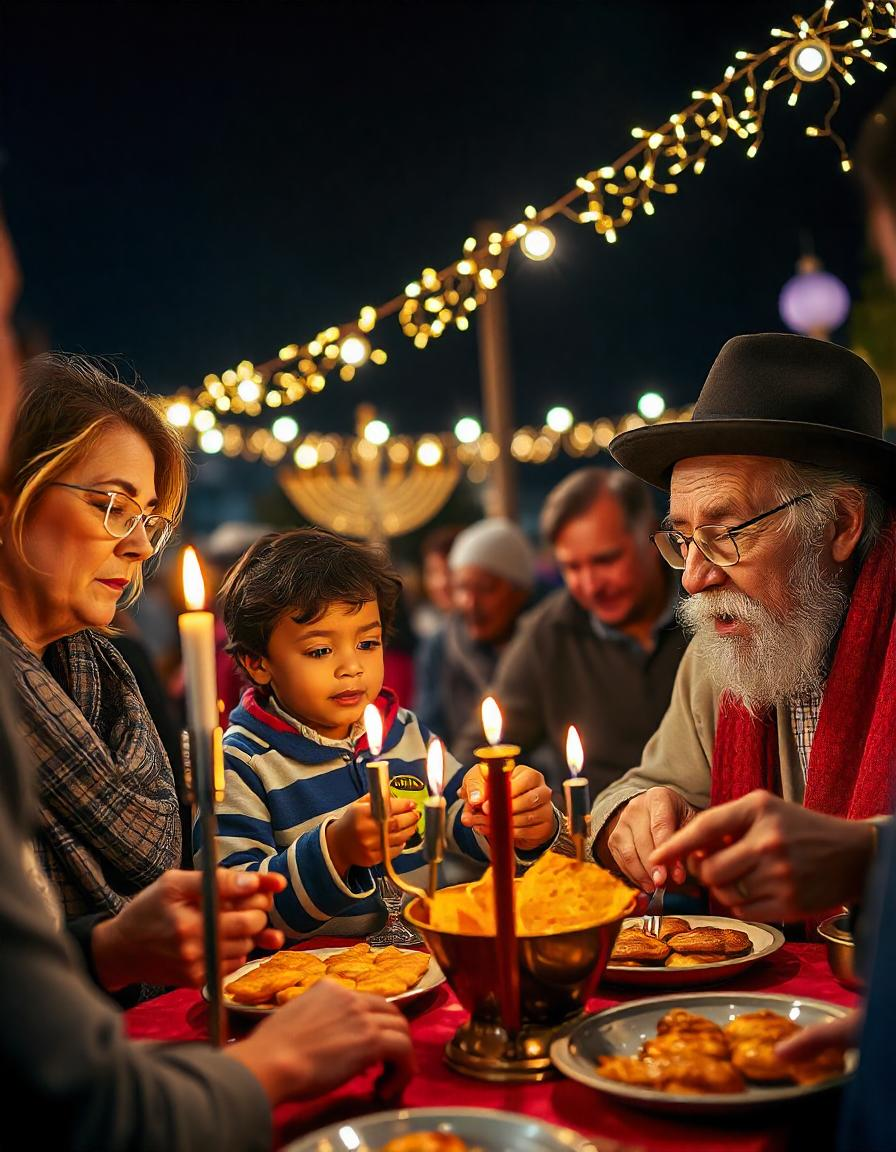
Hanukkah Festival, often called the Festival of Lights, is one of the most meaningful Jewish celebrations worldwide. This eight-day festival honors the rededication of the Second Temple in Jerusalem and the remarkable miracle where a small amount of oil lasted for eight days. Hanukkah 2025 will begin at sundown on December 14, 2025, and continue until nightfall on December 22, 2025. The festival is celebrated with family gatherings, special rituals, and traditions that emphasize faith and the triumph of hope over adversity.
Hanukkah plays a vital role in spreading knowledge about Jewish traditions and highlights the importance of cultural unity and freedom. It is celebrated not only in Israel but in Jewish communities across the globe, making it a festival of significance to students and culturally curious individuals everywhere.
Historical Background and Cultural Importance
The Hanukkah story dates back to the 2nd century BCE. During this period, the Jewish people reclaimed the Second Temple in Jerusalem from rulers who had forbidden their religious practices. Led by the Maccabees, a small group of Jewish rebels, the community triumphed over oppression and rededicated their temple. They found only one flask of purified oil enough to light the Temple’s great menorah (lamp) for just one night. Miraculously, the oil burned for eight full days, a sign of resilience and divine intervention.
This miracle inspired the tradition of celebrating Hanukkah for eight days every year, symbolizing perseverance, hope, and the importance of standing up for one’s beliefs. The festival exemplifies the enduring values of dedication and togetherness, making its message universal and relevant for all.
Hanukkah Traditions and Rituals
Hanukkah is rich with meaningful traditions that are enjoyed by children and adults alike:
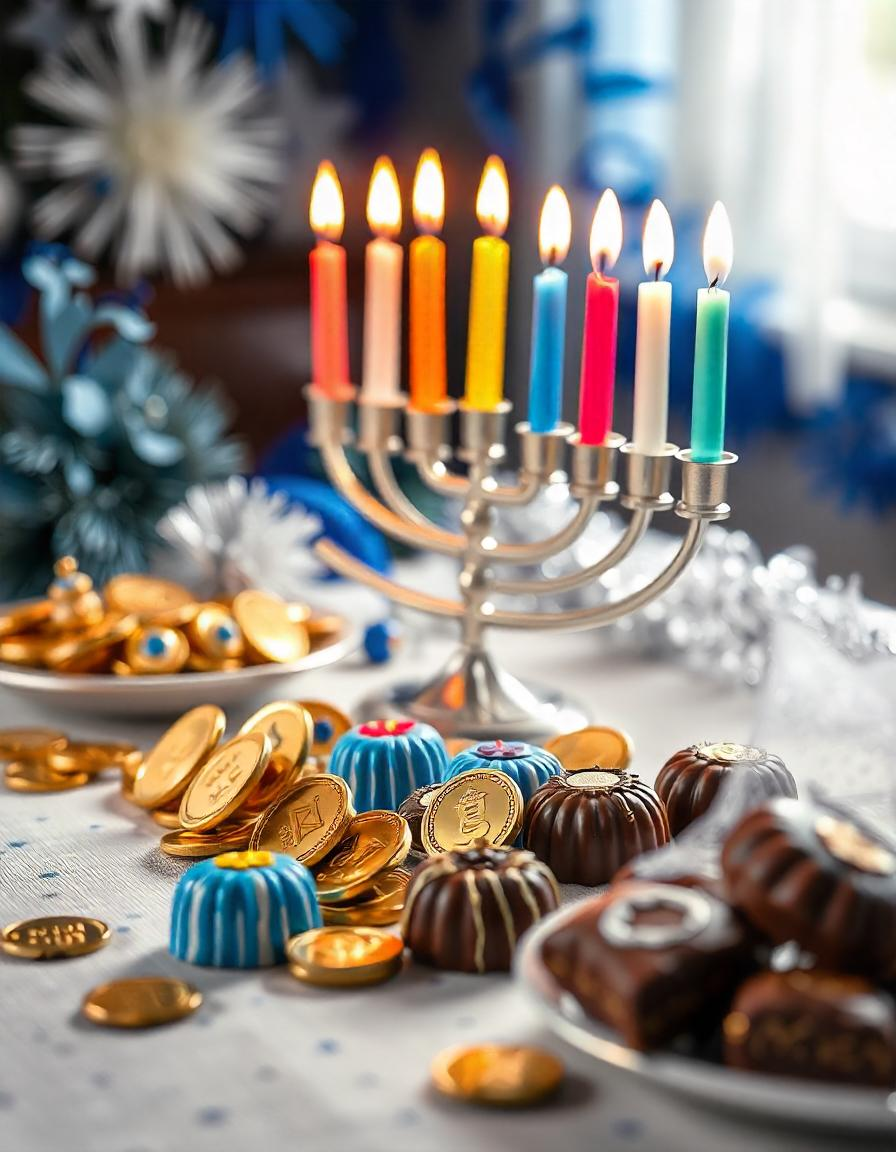
- Lighting the Menorah: Each night, one additional candle is lit on the nine-branched menorah, called the hanukkiah. The central candle shamash is used to light the others, representing the spreading of light and hope.
- Reciting Blessings: Special prayers and songs are recited each evening as the candles are lit, creating a spiritual and joyful atmosphere.
- Playing Dreidel: The dreidel, a four-sided spinning top with Hebrew letters, is used in a traditional game often played with chocolate coins (“gelt”) or small prizes. This playful activity symbolizes joy and historical creativity under difficult conditions.
- Gift Giving: Children may receive gifts or gelt on each night, reinforcing sharing and celebration within families.
- Decorating Homes: Homes are adorned with blue and white decorations, often reflecting the colors of the Israeli flag, along with symbols of hope and light.
Traditional Hanukkah Foods
Hanukkah cuisine is centered around foods fried in oil, symbolizing the miracle of the sacred oil lasting eight days. Among the most beloved dishes are:
- Latkes: Crispy potato pancakes usually served with sour cream or applesauce. They are a savory highlight of the festival meals.
- Sufganiyot: Soft, jelly-filled doughnuts topped with powdered sugar, adding a sweet touch to the festivities.
Other popular Hanukkah foods include brisket, kugel, and roasted vegetables. Preparing and sharing these dishes brings families and communities together, celebrating gratitude and abundance during the festival.
Significance of Hanukkah: Lessons for Students
The Hanukkah Festival teaches valuable lessons related to faith, resilience, and the pursuit of freedom. Its key messages include:
- Standing up for beliefs: The Maccabees’ story inspires us to defend our values and seek justice, even when facing challenges.
- Celebrating hope and perseverance: The lighting of the menorah each night reminds us that even a little light can overcome darkness.
- Honoring identity and heritage: Hanukkah encourages the celebration and preservation of cultural and religious identity, which resonates for students of every community.
- Promoting togetherness: The festival strengthens family bonds and fosters a supportive, joyful community environment.
How Students Can Celebrate Hanukkah
Whether you are part of the Jewish community or interested in learning about global festivals, students can engage with Hanukkah by:
- Creating a paper or digital menorah and “lighting” a candle each night to learn about symbolism.
- Preparing traditional foods, like latkes or doughnuts, and sharing them with friends and classmates.
- Organizing a dreidel game at school and exploring the meaning behind its Hebrew letters.
- Researching and sharing stories about historical struggles for religious freedoms in various cultures.
- Designing artwork and decorations in blue and white, reflecting Hanukkah’s symbolism of light and hope.
Connecting Hanukkah to other global “festivals of lights” like Diwali can help foster inclusive discussions about common values among world religions and cultures.
Inspiring Hanukkah Quotes
- "A candle is a small thing. But one candle can light another. And see how its own light increases, as a candle gives its flame to the other. You are such a light."
- "The miracle, of course, was not that the oil for the sacred light lasted as long as it did, but that the courage of the Jewish people lasted even longer."
- "Hanukkah is about the spark of the divine in all of us made in God's image."
- "Even the smallest light can shine in the darkest night."
- "The proper response to darkness is to increase the light."
Hanukkah Festival 2025: Dates Table
| Year | Hanukkah Start | Hanukkah End | Days of Celebration |
|---|---|---|---|
| 2025 | Sunset, December 14, 2025 | Nightfall, December 22, 2025 | 8 |
Related Learning Resources
- Discover more about world religions with World Religions Day.
- Connect Hanukkah to other light festivals like Diwali and cultural celebrations worldwide.
- Understand the role of science and tradition in society through World Science Day for Peace and Development.
Hanukkah is much more than a remembrance of past events; it is a living celebration of courage, identity, and faith that students can appreciate and share. By engaging in festival traditions, exploring its powerful messages, and connecting with global cultural values, everyone can experience the warmth and inspiration of Hanukkah.
FAQs on Hanukkah Festival: History, Meaning and How It’s Celebrated
1. What is the Hanukkah festival?
Hanukkah Festival, also known as the Festival of Lights, is an eight-day Jewish celebration honoring the rededication of the Second Temple in Jerusalem and the miracle when a small amount of oil lasted for eight days. It is marked by lighting the menorah, reciting blessings, playing traditional games, and sharing festive foods within the Jewish community worldwide.
2. Why is Hanukkah celebrated for 8 days?
Hanukkah is celebrated for eight days to commemorate the miracle of the Temple's oil, which was only enough for one day but burned for eight full days. This event is remembered by lighting one additional candle each night on the menorah for eight consecutive nights.
3. When is Hanukkah 2025?
In 2025, Hanukkah will begin at sunset on December 14 and end at nightfall on December 22, following the traditional Hebrew calendar dates for the festival.
4. What are traditional Hanukkah foods?
Traditional Hanukkah foods are typically fried in oil to symbolize the oil miracle. Popular dishes include:
- Latkes (potato pancakes)
- Sufganiyot (jelly-filled doughnuts)
- Brisket, kugel, and other festive treats in some communities
5. What is Hanukkah's history?
The history of Hanukkah dates back over 2,000 years. It celebrates the victory of the Jewish Maccabees over the Seleucid Empire, the rededication of the Second Temple in Jerusalem, and the miracle in which a small supply of holy oil lasted eight days instead of one.
6. What are Hanukkah traditions?
Hanukkah traditions include:
- Lighting a nine-branched menorah (hanukkiah)
- Reciting special blessings and songs
- Playing the dreidel game
- Giving gifts or chocolate coins (gelt) to children
- Enjoying festive meals and decorating homes in blue and white
7. How is Hanukkah celebrated?
Hanukkah is celebrated by:
- Lighting one additional menorah candle each night
- Reciting traditional blessings and singing songs
- Spinning the dreidel and playing games
- Sharing special foods and exchanging gifts within families and communities
8. What is the Hanukkah date?
The Hanukkah date changes annually based on the Hebrew calendar, beginning on the 25th day of Kislev and lasting eight days. In 2025, it starts on December 14 and ends December 22.
9. How to say Happy Hanukkah?
You can wish someone a happy Hanukkah by saying “Happy Hanukkah!” or using the Hebrew greeting “Chag Sameach”, meaning “Joyous Festival.”
10. Which religion celebrates Hanukkah?
Hanukkah is celebrated by people of the Jewish faith worldwide, honoring Jewish history, resilience, and traditions.
11. Is Hanukkah the same as Christmas?
No, Hanukkah and Christmas are different festivals. Hanukkah is a Jewish religious celebration commemorating a historical miracle, while Christmas is a Christian festival celebrating the birth of Jesus Christ. They may occur around the same season, but their origins, customs, and significance differ.
12. Did Jesus celebrate Hanukkah?
Yes, according to some historical accounts and the New Testament (John 10:22–23), Jesus was present in Jerusalem during the Feast of Dedication (Hanukkah), suggesting that he recognized the festival as part of Jewish tradition.



