




An important essential element necessary in plants for protein synthesis is:
(a) Calcium
(b) Phosphorous
(c) Magnesium
(d) Nitrogen
Answer
 Verified
591.9k+ views
Hint: This element is an essential constituent of amino acids, and in some plants called legumes, it is obtained through the help of some certain symbiotic bacteria.
Complete answer:
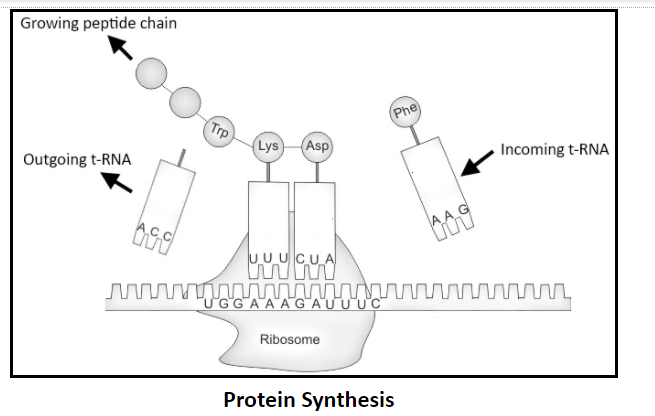
Nitrogen makes a necessary constituent of amino acids, which are the building blocks for protein synthesis. All amino acids carry nitrogen in the amino group bonded to the carbon atoms at the α positions. Since proteins are biopolymers of amino acids, synthesis of protein cannot be carried out in the absence of nitrogen. These amino acids are then used in forming protoplasm, which is used in cell division and also utilized in producing necessary enzymes and structural parts of the plant and can become part of the stored proteins in the grain. Further, nitrogen is also a major component of chlorophyll.
Additional Information:
-In plants, calcium plays a vital metabolic role in carbohydrate removal and neutralizes cell acids.
-Phosphorus acts as an important constituent of ATP, which is formed during photosynthesis and provides energy to all plants. Therefore, phosphorus is necessary for the general health and vigor of all plants.
-Sufficient plant nutrition includes adequate amounts of magnesium which maintains high levels of chlorophyll, resulting in healthy, green leaf tissue. Also, transportation of carbohydrates from leaves to actively growing tissues of plant roots, shoots, and reproductive organs need high levels of Magnesium.
So, the correct answer is 'Nitrogen'.
Note: -The total essential plant nutrients that they must obtain from their growing source (generally soil but exceptions include parasitic or carnivorous plants) to complete their life cycle includes the following seventeen different elements which are classified into:
-Macronutrients: nitrogen (N), sulfur (S), phosphorus (P), potassium (K), oxygen (O), calcium (Ca), magnesium (Mg), carbon (C), hydrogen (H)
-Micronutrients (or trace minerals): iron (Fe), boron (B), manganese (Mn), chlorine (Cl), zinc (Zn), copper (Cu), nickel (Ni), molybdenum (Mo).
Complete answer:
Nitrogen makes a necessary constituent of amino acids, which are the building blocks for protein synthesis. All amino acids carry nitrogen in the amino group bonded to the carbon atoms at the α positions. Since proteins are biopolymers of amino acids, synthesis of protein cannot be carried out in the absence of nitrogen. These amino acids are then used in forming protoplasm, which is used in cell division and also utilized in producing necessary enzymes and structural parts of the plant and can become part of the stored proteins in the grain. Further, nitrogen is also a major component of chlorophyll.
Additional Information:
-In plants, calcium plays a vital metabolic role in carbohydrate removal and neutralizes cell acids.
-Phosphorus acts as an important constituent of ATP, which is formed during photosynthesis and provides energy to all plants. Therefore, phosphorus is necessary for the general health and vigor of all plants.
-Sufficient plant nutrition includes adequate amounts of magnesium which maintains high levels of chlorophyll, resulting in healthy, green leaf tissue. Also, transportation of carbohydrates from leaves to actively growing tissues of plant roots, shoots, and reproductive organs need high levels of Magnesium.
So, the correct answer is 'Nitrogen'.
Note: -The total essential plant nutrients that they must obtain from their growing source (generally soil but exceptions include parasitic or carnivorous plants) to complete their life cycle includes the following seventeen different elements which are classified into:
-Macronutrients: nitrogen (N), sulfur (S), phosphorus (P), potassium (K), oxygen (O), calcium (Ca), magnesium (Mg), carbon (C), hydrogen (H)
-Micronutrients (or trace minerals): iron (Fe), boron (B), manganese (Mn), chlorine (Cl), zinc (Zn), copper (Cu), nickel (Ni), molybdenum (Mo).
Recently Updated Pages
Master Class 11 Computer Science: Engaging Questions & Answers for Success

Master Class 11 Business Studies: Engaging Questions & Answers for Success
Master Class 11 Economics: Engaging Questions & Answers for Success
Master Class 11 English: Engaging Questions & Answers for Success
Master Class 11 Maths: Engaging Questions & Answers for Success
Master Class 11 Biology: Engaging Questions & Answers for Success
Trending doubts
One Metric ton is equal to kg A 10000 B 1000 C 100 class 11 physics CBSE
There are 720 permutations of the digits 1 2 3 4 5 class 11 maths CBSE
Discuss the various forms of bacteria class 11 biology CBSE
Draw a diagram of a plant cell and label at least eight class 11 biology CBSE
State the laws of reflection of light
Explain zero factorial class 11 maths CBSE