




Cheek cells are made up of
(a)Muscle cells
(b)Epithelial cells
(c)Nerve cells
(d)Brain cells
Answer
 Verified
591k+ views
Hint: Cells that come from surfaces of your body, such as your skin, blood vessels, urinary tract, or organs. They serve as a barrier between the inside and outside of your body and protect it from viruses.
Complete answer:
Cheek cells are a type of skin cells. Muscle cells are responsible for movement in and of the body. Muscle cells are elongated and possess contractile proteins like actin, myosin. These proteins carry out contraction and relaxation of muscles and cause the body movement.
Additional Information:
Nerve cells are meant for rapid transmission of the signals from one place to another. These tissues do not contract or relax.
Brain cells are called nerve cells.
Epithelial tissue is meant for covering and protecting the body, organs and cavities. These cells are tightly packed and form a continuous sheet. They lack any intercellular spaces. Skin is made of epithelial cells. Hence, cheek cells are made of epithelial cells.
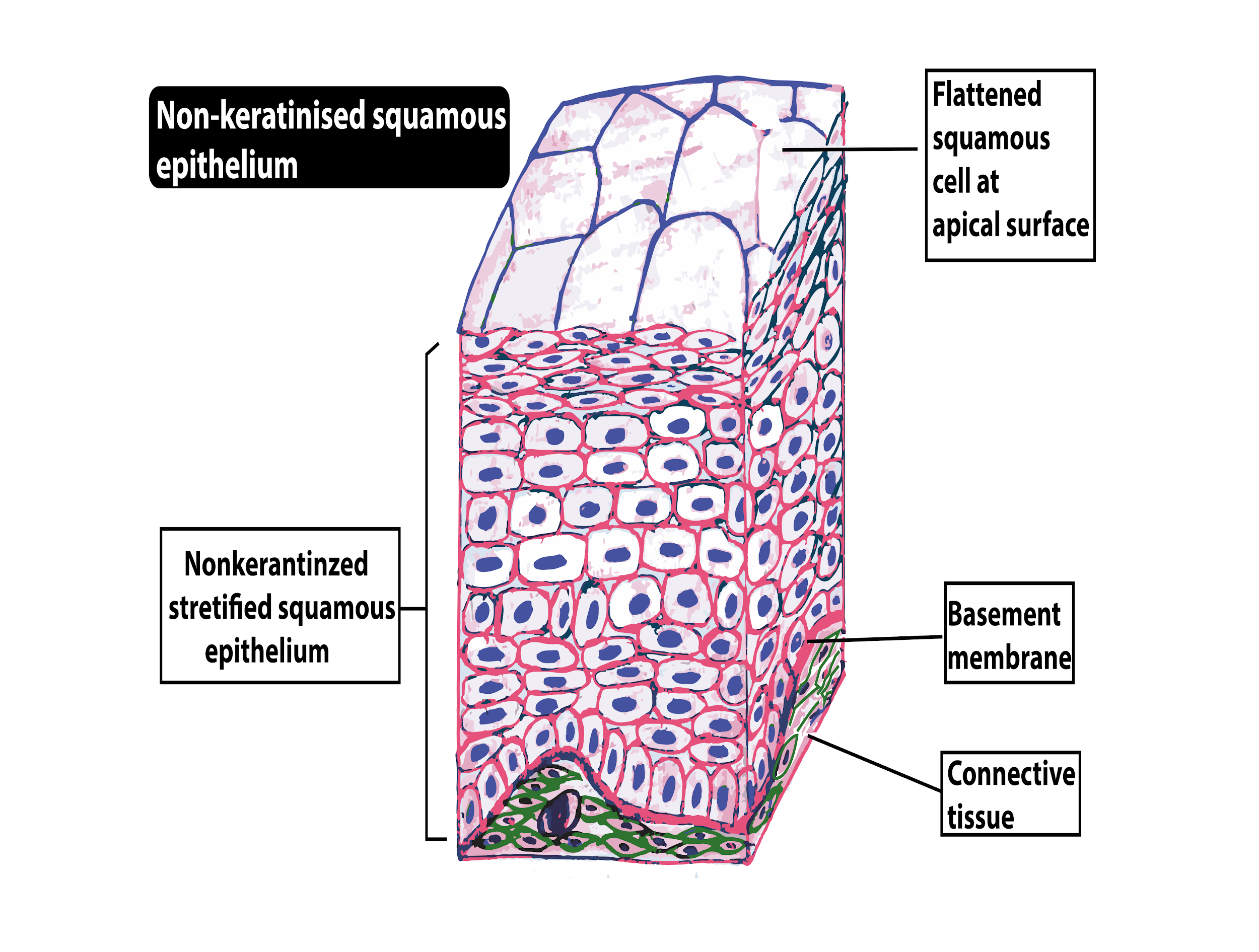
So, the correct answer is, “Epithelial cells.”
Note:
-The columnar epithelium has cells taller than they are wide.
Functions:
Epithelial tissue forms boundaries between different environments and nearly all substances must pass through the epithelium. It performs many functions including:
-It protects the underlying tissues from radiation, desiccation, toxins, and physical trauma.
-Absorption of substances in the digestive tract lining with distinct modifications of its cells.
-Regulation and excretion of chemicals between the underlying tissues and the body cavity is done by these tissues.
-The secretion of hormones into the blood vascular system. The secretion of sweat, mucus, enzymes, and other products that are delivered by ducts come from the glandular epithelium.
-The detection of sensation.
Complete answer:
Cheek cells are a type of skin cells. Muscle cells are responsible for movement in and of the body. Muscle cells are elongated and possess contractile proteins like actin, myosin. These proteins carry out contraction and relaxation of muscles and cause the body movement.
Additional Information:
Nerve cells are meant for rapid transmission of the signals from one place to another. These tissues do not contract or relax.
Brain cells are called nerve cells.
Epithelial tissue is meant for covering and protecting the body, organs and cavities. These cells are tightly packed and form a continuous sheet. They lack any intercellular spaces. Skin is made of epithelial cells. Hence, cheek cells are made of epithelial cells.
So, the correct answer is, “Epithelial cells.”
Note:
-The columnar epithelium has cells taller than they are wide.
Functions:
Epithelial tissue forms boundaries between different environments and nearly all substances must pass through the epithelium. It performs many functions including:
-It protects the underlying tissues from radiation, desiccation, toxins, and physical trauma.
-Absorption of substances in the digestive tract lining with distinct modifications of its cells.
-Regulation and excretion of chemicals between the underlying tissues and the body cavity is done by these tissues.
-The secretion of hormones into the blood vascular system. The secretion of sweat, mucus, enzymes, and other products that are delivered by ducts come from the glandular epithelium.
-The detection of sensation.
Recently Updated Pages
Master Class 11 Computer Science: Engaging Questions & Answers for Success

Master Class 11 Business Studies: Engaging Questions & Answers for Success
Master Class 11 Economics: Engaging Questions & Answers for Success
Master Class 11 English: Engaging Questions & Answers for Success
Master Class 11 Maths: Engaging Questions & Answers for Success
Master Class 11 Biology: Engaging Questions & Answers for Success
Trending doubts
One Metric ton is equal to kg A 10000 B 1000 C 100 class 11 physics CBSE
There are 720 permutations of the digits 1 2 3 4 5 class 11 maths CBSE
Discuss the various forms of bacteria class 11 biology CBSE
Draw a diagram of a plant cell and label at least eight class 11 biology CBSE
State the laws of reflection of light
10 examples of friction in our daily life