




The Calico museum of textile is located in
(A) Mumbai
(B) Delhi
(C) Ahmedabad
(D) Mysore
Answer
 Verified
574.5k+ views
Hint: The Calico museum of the textile comes under the Sarabhai foundation. The Sarabhai Foundation exhibitions include the prestigious Calico Museum of Textiles along with assortments of sacrosanct bronzes from south India, Jaina manuscripts, models and articles, Indian little paintings, objects and other arts.
Complete Answer:
- The Calico Museum of Textiles was started by Gautama Sarabhai, director of the Calico Mills of Ahmedabad, that a material exhibition hall and a foundation be established in the city. He was recommended by the spearheading craftsmanship student of history and logician Dr. Ananda Coomaraswamy.
- In 1949, the material exhibition hall was established by Gautama Sarabhai with the help of his sister Gira Sarabhai, and was introduced by Jawaharlal Nehru, India's first Prime minister.
- The gallery at present incorporates an enormous assortment of Indian and related materials, show displays, just as an exploration place and library.
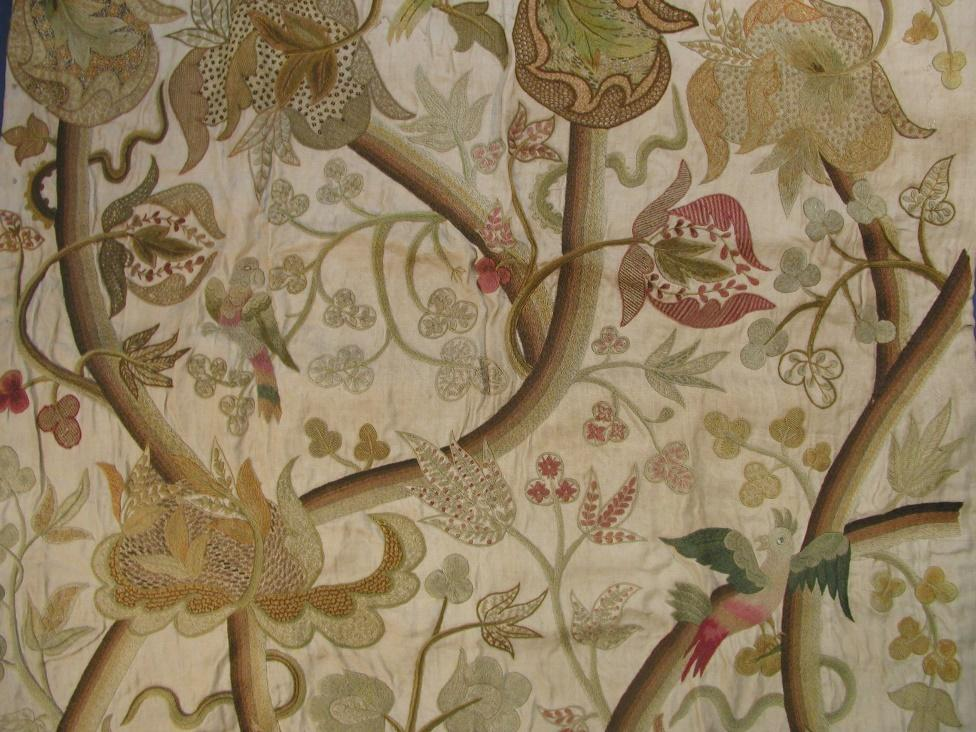
There are perpetual shows about Indian coloring, weaving and wood block printing strategies, just as showcases on different topics, for example, territorial weavings; Indian materials affected by the Mughal and common courts (from the seventeenth to the nineteenth hundreds of years), just as metropolitan and local ensembles from the eighteenth to the mid-20th hundreds of years.
Thus, the option (C) is correct.
Note: The visits are allowed for most recent two hours with the greatest 25 individuals – 15 by bunch booking and 10 on a first-start things out served premise in the morning. The evening visit is committed to the Sarabhai Foundation's assortment of strict workmanship, which investigates portrayals of Indian divine beings and a material exhibition.
Complete Answer:
- The Calico Museum of Textiles was started by Gautama Sarabhai, director of the Calico Mills of Ahmedabad, that a material exhibition hall and a foundation be established in the city. He was recommended by the spearheading craftsmanship student of history and logician Dr. Ananda Coomaraswamy.
- In 1949, the material exhibition hall was established by Gautama Sarabhai with the help of his sister Gira Sarabhai, and was introduced by Jawaharlal Nehru, India's first Prime minister.
- The gallery at present incorporates an enormous assortment of Indian and related materials, show displays, just as an exploration place and library.
There are perpetual shows about Indian coloring, weaving and wood block printing strategies, just as showcases on different topics, for example, territorial weavings; Indian materials affected by the Mughal and common courts (from the seventeenth to the nineteenth hundreds of years), just as metropolitan and local ensembles from the eighteenth to the mid-20th hundreds of years.
Thus, the option (C) is correct.
Note: The visits are allowed for most recent two hours with the greatest 25 individuals – 15 by bunch booking and 10 on a first-start things out served premise in the morning. The evening visit is committed to the Sarabhai Foundation's assortment of strict workmanship, which investigates portrayals of Indian divine beings and a material exhibition.
Recently Updated Pages
Master Class 10 Computer Science: Engaging Questions & Answers for Success

Master Class 10 General Knowledge: Engaging Questions & Answers for Success
Master Class 10 English: Engaging Questions & Answers for Success
Master Class 10 Social Science: Engaging Questions & Answers for Success
Master Class 10 Maths: Engaging Questions & Answers for Success
Master Class 10 Science: Engaging Questions & Answers for Success
Trending doubts
What is the median of the first 10 natural numbers class 10 maths CBSE
Which women's tennis player has 24 Grand Slam singles titles?
Who is the Brand Ambassador of Incredible India?
Why is there a time difference of about 5 hours between class 10 social science CBSE
Write a letter to the principal requesting him to grant class 10 english CBSE
A moving boat is observed from the top of a 150 m high class 10 maths CBSE