




Avicennia, Rhizophora and Atriplex are
A. Xerophytes
B. Halophytes
C. Hydrophytes
D. Mesophytes
Answer
 Verified
583.5k+ views
Hint: In some areas accumulation of salts in soil and water is so much that it affects vegetation of that place. In such areas plants are adapted to live in the saline habitat. These are called halophytes. These plants grow in marsh soil near rivers. These plants are also called mangroves.
Step by step answer:Mangroves are adapted to live in saline water and soil. These plants also survive in lack of oxygen because in such soil there is a lack of oxygen.
Roots of such plants show specific adaptations. Roots are conical and grow on the upper surface of the land and micro stomata are present on these roots. These are called pneumatophores. This helps in consuming oxygen from the environment.
Mangrove Plants also show special adaptation in seed germination. In normal plants, seeds germinate after falling on land from the plant. But in halophytes due to the salinity of the soil, a seed cannot germinate on land. Seeds do not separate from fruits on plants. Seeds remain attached and start germination. Due to germination seedlings grow and fall on the ground. This is called viviparous germination.
Some examples of halophytes are Rhizophora, Chenopodium, Salsola, Avicennia, and Atriplex.
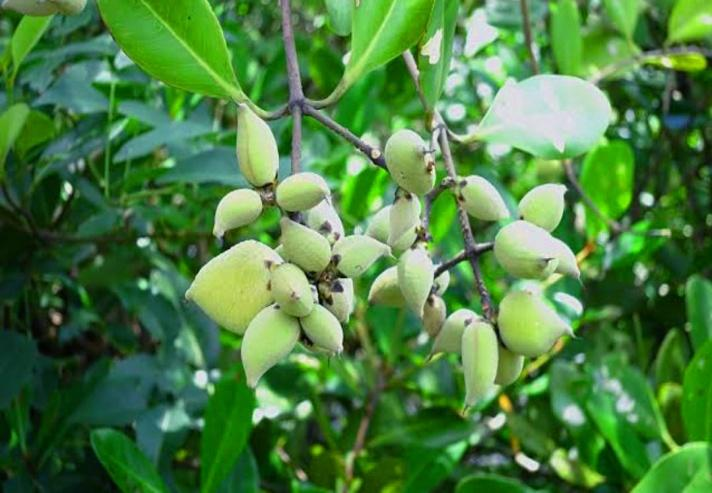
Avicennia
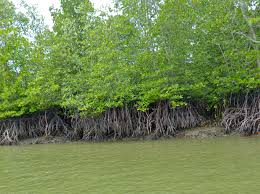
Rhizophora
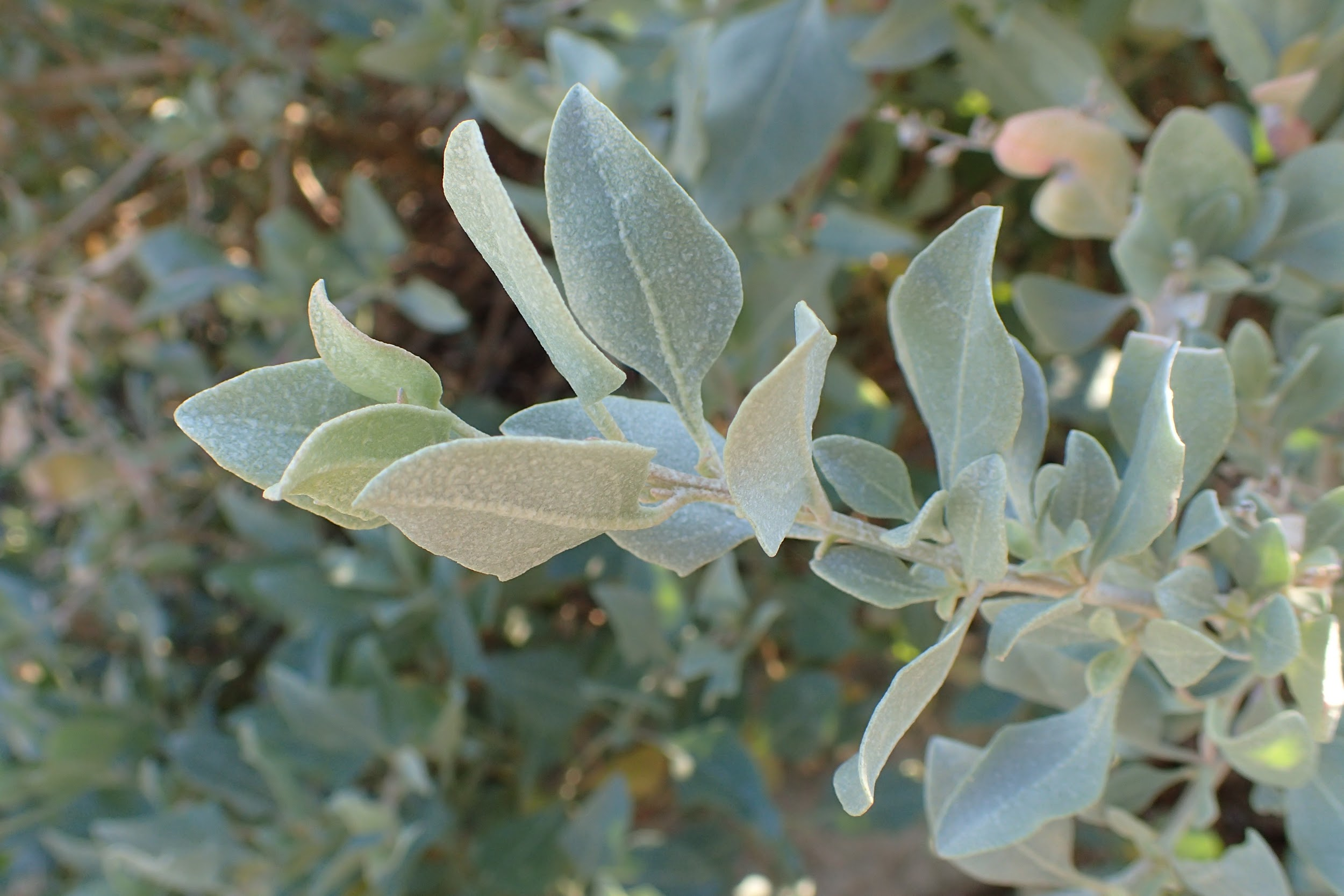
Atriplex
Hence option B is correct.
Additional information: Halophytes are classified by Warming as follows-
-Lithophilous halophytes grow on rocks near the sea.
-Heliophilous halophytes are found in muddy water near the sea.
-Psammophilous halophytes grow in a loamy soil.
-Pelophilous halophytes grow in salty clay soil.
Note: Xerophyte plants are adapted to live in the lack of water. These are found in desert areas like Rajasthan. Opuntia and Cactus are examples of xerophytes. Hydrophytes are adapted to live in water such as Water lily. Mesophytes require a medium amount of water.
Step by step answer:Mangroves are adapted to live in saline water and soil. These plants also survive in lack of oxygen because in such soil there is a lack of oxygen.
Roots of such plants show specific adaptations. Roots are conical and grow on the upper surface of the land and micro stomata are present on these roots. These are called pneumatophores. This helps in consuming oxygen from the environment.
Mangrove Plants also show special adaptation in seed germination. In normal plants, seeds germinate after falling on land from the plant. But in halophytes due to the salinity of the soil, a seed cannot germinate on land. Seeds do not separate from fruits on plants. Seeds remain attached and start germination. Due to germination seedlings grow and fall on the ground. This is called viviparous germination.
Some examples of halophytes are Rhizophora, Chenopodium, Salsola, Avicennia, and Atriplex.
Avicennia
Rhizophora
Atriplex
Hence option B is correct.
Additional information: Halophytes are classified by Warming as follows-
-Lithophilous halophytes grow on rocks near the sea.
-Heliophilous halophytes are found in muddy water near the sea.
-Psammophilous halophytes grow in a loamy soil.
-Pelophilous halophytes grow in salty clay soil.
Note: Xerophyte plants are adapted to live in the lack of water. These are found in desert areas like Rajasthan. Opuntia and Cactus are examples of xerophytes. Hydrophytes are adapted to live in water such as Water lily. Mesophytes require a medium amount of water.
Recently Updated Pages
Master Class 12 Economics: Engaging Questions & Answers for Success

Master Class 12 Physics: Engaging Questions & Answers for Success
Master Class 12 English: Engaging Questions & Answers for Success
Master Class 12 Social Science: Engaging Questions & Answers for Success
Master Class 12 Maths: Engaging Questions & Answers for Success
Master Class 12 Business Studies: Engaging Questions & Answers for Success
Trending doubts
Which are the Top 10 Largest Countries of the World?
What are the major means of transport Explain each class 12 social science CBSE
Draw a labelled sketch of the human eye class 12 physics CBSE
Why cannot DNA pass through cell membranes class 12 biology CBSE
Differentiate between insitu conservation and exsitu class 12 biology CBSE
Draw a neat and well labeled diagram of TS of ovary class 12 biology CBSE