



Strength and rigidity of cell wall is due to
(a)Suberin
(b)Lignin
(c)Cellulose
(d)Pectin
Answer
 Verified
578.1k+ views
Hint: The thick secondary cell wall is what gives the mature plant cells its strength and rigidity and its particular cell shape. There are other layers too named primary and middle lamella which are made of cellulose and pectin respectively.
Complete answer:
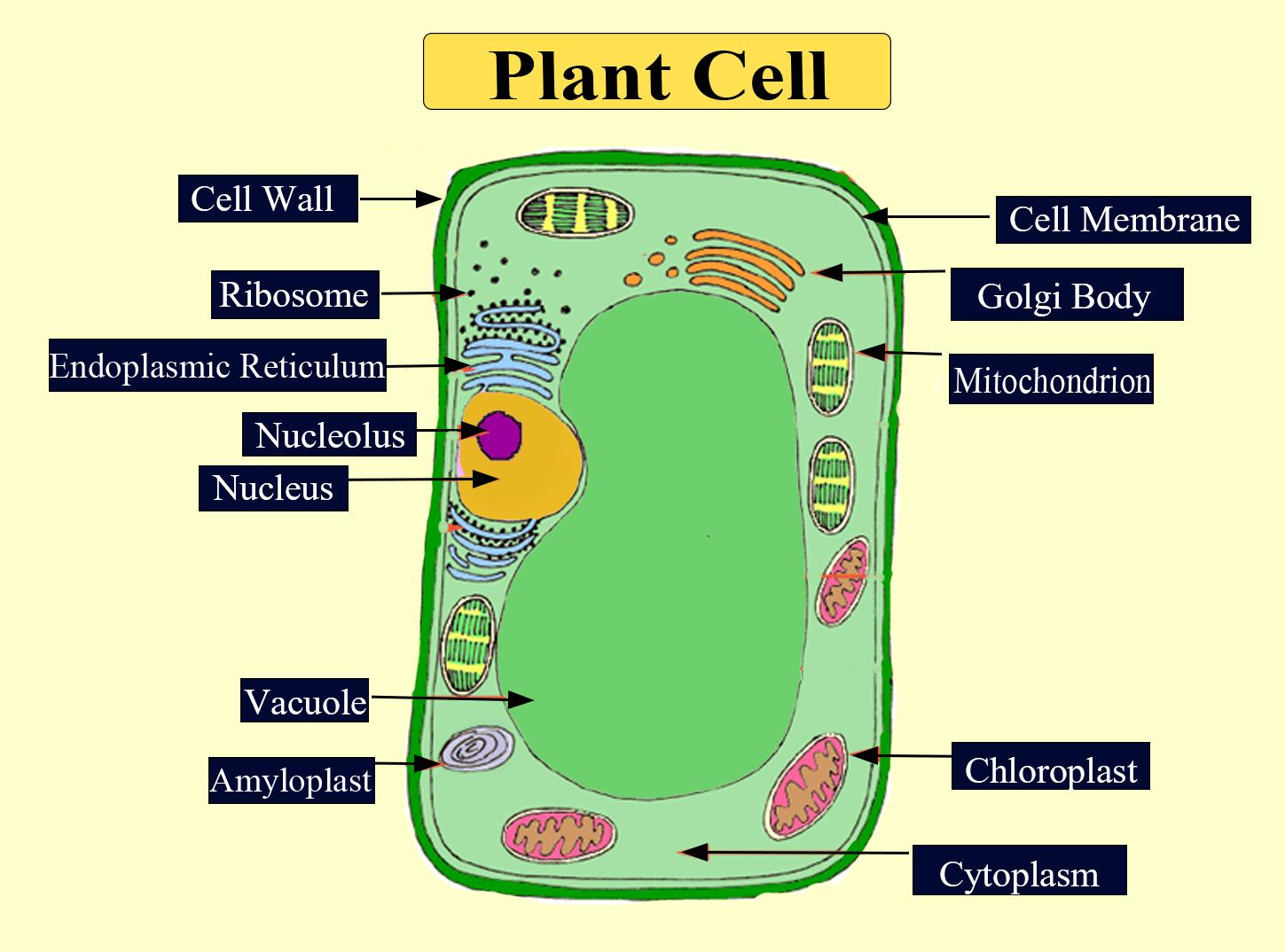
Generally, the cell wall of plants is composed of strong Cellulose but the layer of lignin forms the Secondary cell wall and this is what gives it the strength and rigidity. The cell is a necessary part of the plant cell as it protects and provides the cells the structural support.
Additional Information: The cell wall is the nonliving cellulosic outer layer of the plant cells which provides the protection and mechanical support it needs. It is above the plasma membrane and irregular in shape. It has 3 layers namely primary, secondary layer, and middle lamella, made of pectin, cellulose, hemicellulose, and other minerals. The primary cell wall is mainly made of cellulose and is comparatively permeable and thin. The middle lamella consists of pectin and other substances like lignin and proteins. In mature cells, the secondary wall forms out of Cellulose and lignin and gives the mature cells its necessary rigidity and waterproofing. It is also the thickest layer of all of them.
Therefore, the correct answer is lignin.
Note: Some important function of the cell wall is-
-Giving the cell its definite shape, strength, and rigidity.
-Protection against mechanical stress and shocks.
-Control cell expansion due to excessive intake of water.
-Prevention of water loss from the cell.
-Also, the transportation of substances between and across cells.
-All the layers of cell walls are necessary for the plants for their support.
Complete answer:
Generally, the cell wall of plants is composed of strong Cellulose but the layer of lignin forms the Secondary cell wall and this is what gives it the strength and rigidity. The cell is a necessary part of the plant cell as it protects and provides the cells the structural support.
Additional Information: The cell wall is the nonliving cellulosic outer layer of the plant cells which provides the protection and mechanical support it needs. It is above the plasma membrane and irregular in shape. It has 3 layers namely primary, secondary layer, and middle lamella, made of pectin, cellulose, hemicellulose, and other minerals. The primary cell wall is mainly made of cellulose and is comparatively permeable and thin. The middle lamella consists of pectin and other substances like lignin and proteins. In mature cells, the secondary wall forms out of Cellulose and lignin and gives the mature cells its necessary rigidity and waterproofing. It is also the thickest layer of all of them.
Therefore, the correct answer is lignin.
Note: Some important function of the cell wall is-
-Giving the cell its definite shape, strength, and rigidity.
-Protection against mechanical stress and shocks.
-Control cell expansion due to excessive intake of water.
-Prevention of water loss from the cell.
-Also, the transportation of substances between and across cells.
-All the layers of cell walls are necessary for the plants for their support.
Recently Updated Pages
Master Class 11 Computer Science: Engaging Questions & Answers for Success

Master Class 11 Business Studies: Engaging Questions & Answers for Success
Master Class 11 Economics: Engaging Questions & Answers for Success
Master Class 11 English: Engaging Questions & Answers for Success
Master Class 11 Maths: Engaging Questions & Answers for Success
Master Class 11 Biology: Engaging Questions & Answers for Success
Trending doubts
One Metric ton is equal to kg A 10000 B 1000 C 100 class 11 physics CBSE
There are 720 permutations of the digits 1 2 3 4 5 class 11 maths CBSE
Discuss the various forms of bacteria class 11 biology CBSE
Draw a diagram of a plant cell and label at least eight class 11 biology CBSE
State the laws of reflection of light
10 examples of friction in our daily life