




Wilting of sun plants after rain is called
(A) Incipient wilting
(B) Permanent wilting
(C) Flopping
(D) The statement is incorrect
Answer
 Verified
584.4k+ views
Hint: During heavy rainfall plants like tobacco experience poor root systems and they because of which there is a loss in water due to which leaves curl up and once the sunshine is available, leaves return to their original state.
Complete answer:
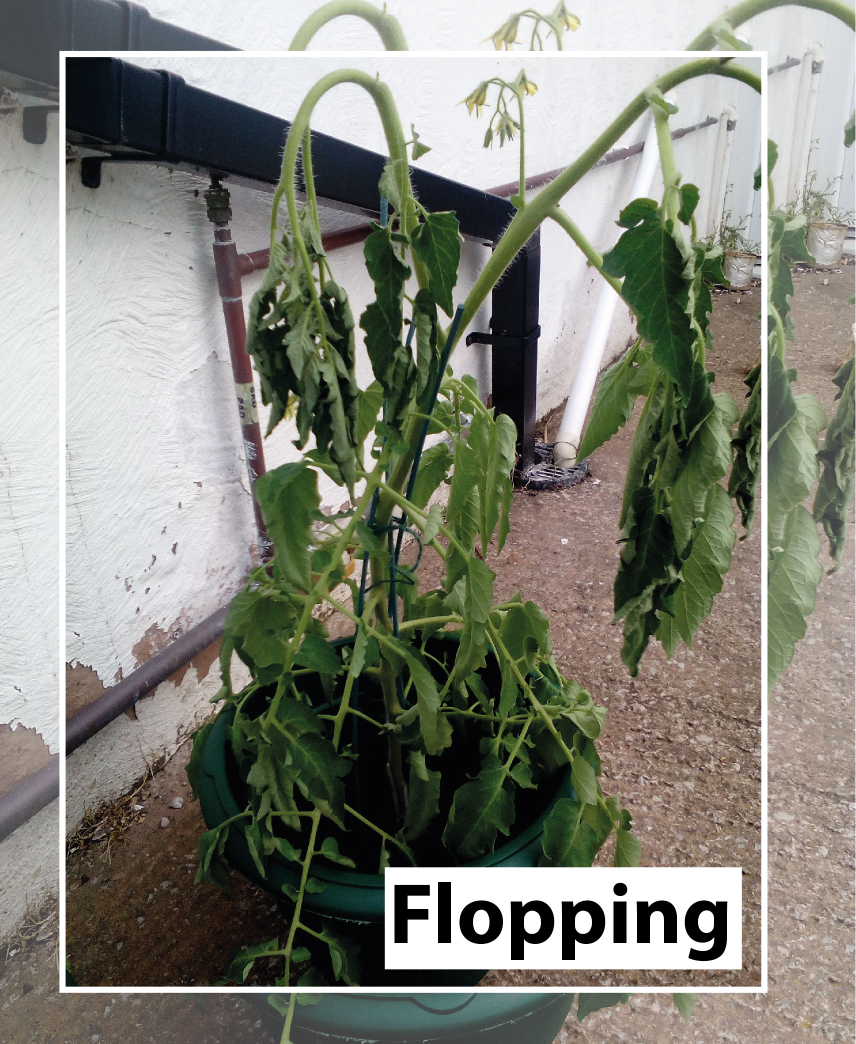
When sun plants get wilt after raining, this process is known as flopping. When there is a loss of turgidity of leaves leading to drooping, folding, and rolling of leaves is seen, the process is known as wilting.
Additional Information: This happens because of the loss of water. In flopping, plants fall in the beginning but if not taken care of, it can also lead to the death of the plant. Incipient wilting is a partial loss of turgidity because of excessive water loss through transpiration. Permanent wilting is the loss of turgidity of leaves which isn't regained even on being placed in a very suitable atmosphere. Temporary wilting of sun plants occurs if they're exposed to bright sunlight after rains. This phenomenon is termed flopping.
One of the foremost common reasons a plant goes limp is high temperatures. In most cases, this problem is temporary and harmless. Many garden vegetables often wilt within the middle of the day but spring back when cool evening temperatures arrive. Sometimes, though, wilting from the warmth is exacerbated by drought stress. If your plant doesn't recover within the evening, it probably needs more water. It is advised that the wilted plant has to keep away from the sun to help it recover faster.
So, the correct answer is ‘Flopping '.
Note: Incipient wilting is also a type of wilting in which temporary and partial loss of turgor in plants which occur in the presence of adequate soil moisture and is related to excessive water loss through transpiration. It can easily be resolved by ensuring that whether water is needed or excess water is present. If water is needed, water is to be added and if excess water is present, the plant should be kept in sunlight.
Complete answer:
When sun plants get wilt after raining, this process is known as flopping. When there is a loss of turgidity of leaves leading to drooping, folding, and rolling of leaves is seen, the process is known as wilting.
Additional Information: This happens because of the loss of water. In flopping, plants fall in the beginning but if not taken care of, it can also lead to the death of the plant. Incipient wilting is a partial loss of turgidity because of excessive water loss through transpiration. Permanent wilting is the loss of turgidity of leaves which isn't regained even on being placed in a very suitable atmosphere. Temporary wilting of sun plants occurs if they're exposed to bright sunlight after rains. This phenomenon is termed flopping.
One of the foremost common reasons a plant goes limp is high temperatures. In most cases, this problem is temporary and harmless. Many garden vegetables often wilt within the middle of the day but spring back when cool evening temperatures arrive. Sometimes, though, wilting from the warmth is exacerbated by drought stress. If your plant doesn't recover within the evening, it probably needs more water. It is advised that the wilted plant has to keep away from the sun to help it recover faster.
So, the correct answer is ‘Flopping '.
Note: Incipient wilting is also a type of wilting in which temporary and partial loss of turgor in plants which occur in the presence of adequate soil moisture and is related to excessive water loss through transpiration. It can easily be resolved by ensuring that whether water is needed or excess water is present. If water is needed, water is to be added and if excess water is present, the plant should be kept in sunlight.
Recently Updated Pages
Master Class 10 Computer Science: Engaging Questions & Answers for Success

Master Class 10 General Knowledge: Engaging Questions & Answers for Success
Master Class 10 English: Engaging Questions & Answers for Success
Master Class 10 Social Science: Engaging Questions & Answers for Success
Master Class 10 Maths: Engaging Questions & Answers for Success
Master Class 10 Science: Engaging Questions & Answers for Success
Trending doubts
What is the median of the first 10 natural numbers class 10 maths CBSE
Which women's tennis player has 24 Grand Slam singles titles?
Who is the Brand Ambassador of Incredible India?
Why is there a time difference of about 5 hours between class 10 social science CBSE
Write a letter to the principal requesting him to grant class 10 english CBSE
A moving boat is observed from the top of a 150 m high class 10 maths CBSE