




______ is done for milk and drought labour for agriculture work such as tilling, irrigation and carting.
Answer
 Verified
594.6k+ views
Hint: It includes the rearing and management of two types of animals. The first group is for food necessities like milk and the second is for work purposes like plowing, water system, and so on.
Complete answer:
> Cattle husbandry is done for two reasons - milk and drought labor for farming work such as tilling irrigation and carting. Milch animals make milk whereas draught animals are used for farm labor. The two significant types of Indian cattle are Bos Indicus or cows and Bosbubalis or buffaloes.
> Management practices for cattle involve clean-up sheltering and feeding. Cleaning includes periodic washing to get rid of dirt and loose hair. Sanctuary facilities include well-ventilated rooftop sheds that look after cattle from rain cold and sun.
> Animal feed involves roughage feed which is largely fiber and concentrates feed which is low in fiber and contains moderately significant levels of proteins and different supplements. Cattles experience the ill effects of various diseases.
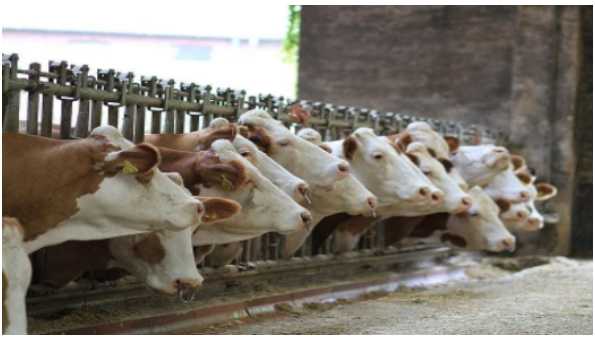
Additional information:
The advantages of cattle farming are:
- Milch Cattle are utilized for the creation of milk.
- Draught cattle are used for work associated with horticulture like tilling, irrigation, and carting.
- Cattle farming increases the total income of the farmers and hoists their standard of living.
Note: The diseases besides causing death decrease milk production. The reason for diseases in cattle is both external and internal parasites. External parasites exist on the skin and cause skin diseases. Internal parasites control the stomach and intestinal parts. Vaccinations are given to ranch animals against many viral and bacterial diseases.
Complete answer:
> Cattle husbandry is done for two reasons - milk and drought labor for farming work such as tilling irrigation and carting. Milch animals make milk whereas draught animals are used for farm labor. The two significant types of Indian cattle are Bos Indicus or cows and Bosbubalis or buffaloes.
> Management practices for cattle involve clean-up sheltering and feeding. Cleaning includes periodic washing to get rid of dirt and loose hair. Sanctuary facilities include well-ventilated rooftop sheds that look after cattle from rain cold and sun.
> Animal feed involves roughage feed which is largely fiber and concentrates feed which is low in fiber and contains moderately significant levels of proteins and different supplements. Cattles experience the ill effects of various diseases.
Additional information:
The advantages of cattle farming are:
- Milch Cattle are utilized for the creation of milk.
- Draught cattle are used for work associated with horticulture like tilling, irrigation, and carting.
- Cattle farming increases the total income of the farmers and hoists their standard of living.
Note: The diseases besides causing death decrease milk production. The reason for diseases in cattle is both external and internal parasites. External parasites exist on the skin and cause skin diseases. Internal parasites control the stomach and intestinal parts. Vaccinations are given to ranch animals against many viral and bacterial diseases.
Recently Updated Pages
Master Class 12 Economics: Engaging Questions & Answers for Success

Master Class 12 Physics: Engaging Questions & Answers for Success
Master Class 12 English: Engaging Questions & Answers for Success
Master Class 12 Social Science: Engaging Questions & Answers for Success
Master Class 12 Maths: Engaging Questions & Answers for Success
Master Class 12 Business Studies: Engaging Questions & Answers for Success
Trending doubts
Which are the Top 10 Largest Countries of the World?
What are the major means of transport Explain each class 12 social science CBSE
Draw a labelled sketch of the human eye class 12 physics CBSE
Why cannot DNA pass through cell membranes class 12 biology CBSE
Differentiate between insitu conservation and exsitu class 12 biology CBSE
Draw a neat and well labeled diagram of TS of ovary class 12 biology CBSE